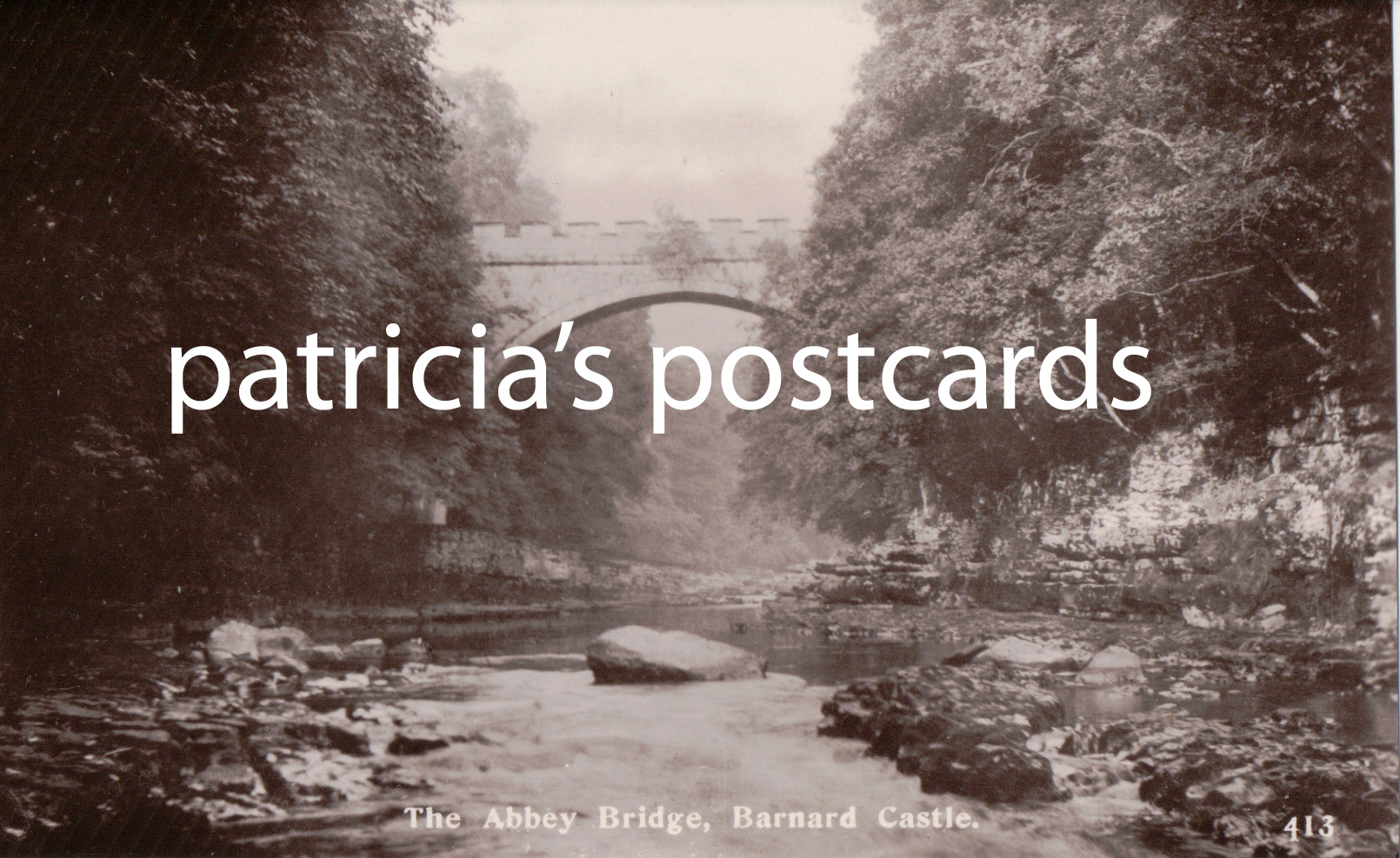
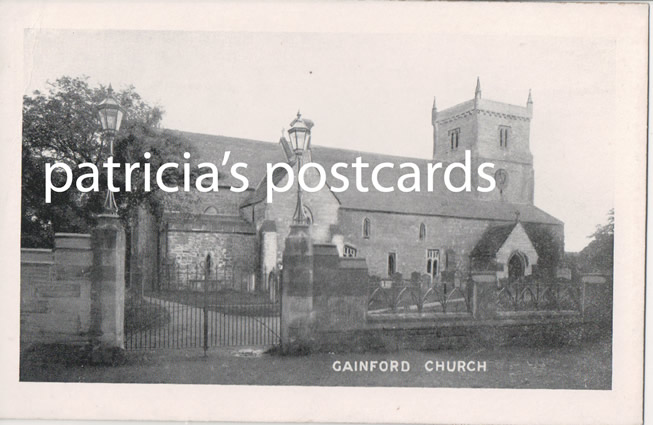
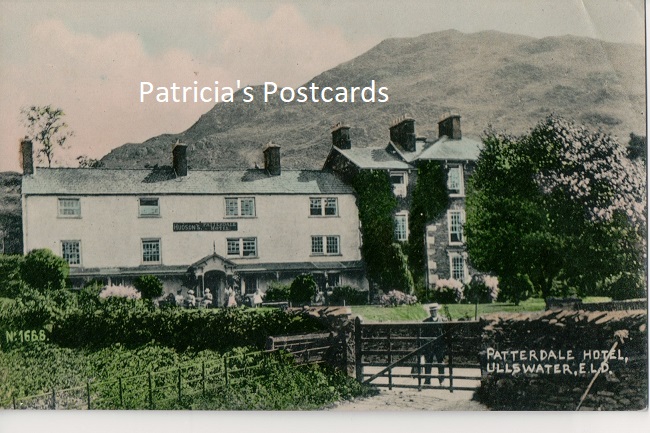
|
Brittain and Wright
Brittain and Wright was a printing firm set up in Stockton-on-Tees around 1901 by Robert Frank Brittain and Thomas Nelson Wright. The company used the name “The Phoenix Press” and operated from premises on the corner of Wharf Street and Bridge Road. However it was not until directories in 1902 they were described as printers and paper merchants.
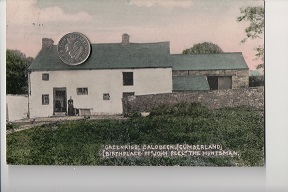
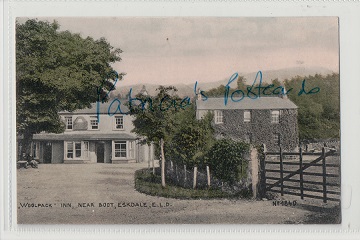
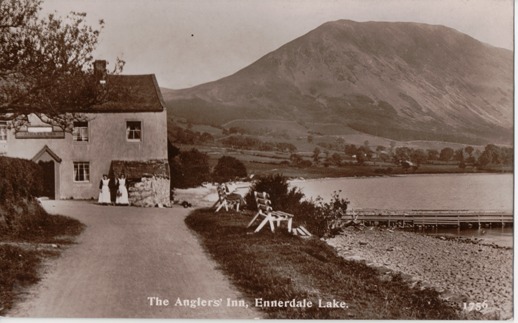
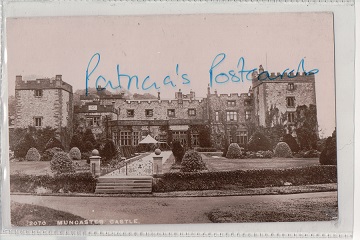
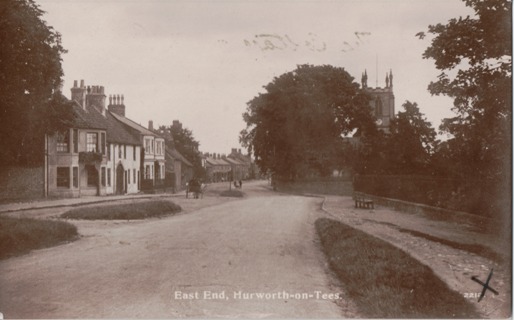
By 1903 they were producing postcards under the imprint the “Phoenix Series”. They were well known for their postcards of the North of England producing about 2700 different titles in a series of different formats.
A 1906 advertising card described Brittain and Wright as “Printers, die stampers, Wholesale and Manufacturing Stationers, Smallware dealers, Brush Factors and General Importers”. The card also advertised the “Phoenix series of hand coloured picture post cards” The address given was Wharf Street, Bridge Road.
The company operated until around 1960 when the business closed.
The Partners
Thomas Nelson Wright was born in 1858, the son of William Merryweather Wright who was described in 1861 as a Paper Merchant of 7 Silver Street in Stockton-on-Tees. By 1876 a directory entry showed William Merryweather Wright as a printer and stationer of 7 Silver Street, a grocer’s outfitter of 6 Bishop Street, a smallware dealer in Workhouse Street and having a fancy repository at 5 St John’s Road. Quite an empire! The family were living at Leven Bridge just outside Yarm.
By 1890 William Merryweather Wright was described as a grocer’s outfitter in Bridge Road, living in Richmond Road.
In 1881 Thomas Nelson Wright lived with the family at Leven Bridge and was described as a commercial traveller, presumably working for the family firm.
In 1882 he married Annie Flintoff and by 1890 was living in Leybourne Terrace. By 1891 they were living at 31 Hartington Road when he was described as a Commercial traveller, printing.
By 1901 he had moved to a house on Junction Road in Norton “Cleveland View” and was described as a printer and paper merchant.
By 1922 he had moved to Leven Street in Saltburn.
Robert Frank Brittain was born in Stockton in 1852, the son of a cabinet maker, Robert Brittain. In 1861 they were living at 8 Skinner Street.
In 1871 he was a traveller for a paper merchant (Could this have been William M Wright and is this where he met his future partner Thomas N Wright?)
In 1890 Brittain was a wholesale stationer at 15 Bright Street and in 1891 he was living at 33 Hartington Road (next door to Wright).
By 1894 he was a wholesale stationer with premises in Wharf Street.
In 1901 he was described as a printer and paper merchant and his son Robert Frank (junior) was a commercial traveller.
In 1908 the family was living at “Kinoull” in Skinner Street and in 1914 Robert Frank Senior was a councillor and chairman of the local Pensions committee.
Robert Frank Senior died in 1916 aged 64.
In 1921 Robert Frank (junior was living at 2 Springholme (just off Spring Street) and was still there in 1938.
Brittain and Wright – the postcards
Style of Cards
Most cards have the imprint “Brittain and Wright” “the Phoenix series” or
“Brittain and Wright” “the Phoenix Photo series”
1) Printed (letterpress) black and white cards
A number of this type of card has been seen mainly with a rectangular white border. The occasional card is of the vignette style. Often the back is printed with an advert. A few views have been seen coloured.
A few cards in the Knaresborough area have been seen with the imprint “the Phoenix press” with an unusual script title.
2) Coloured cards
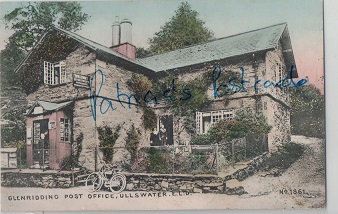
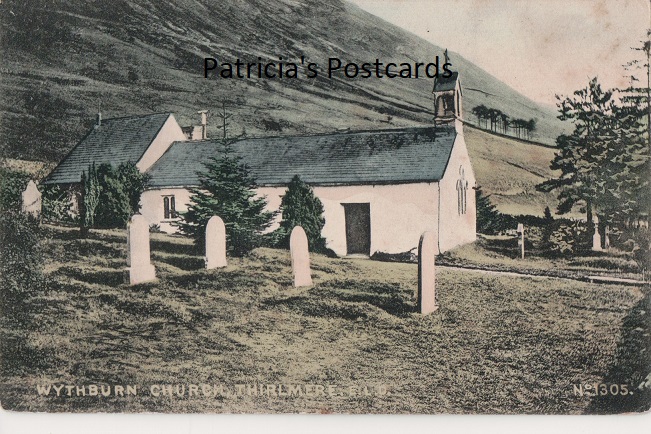
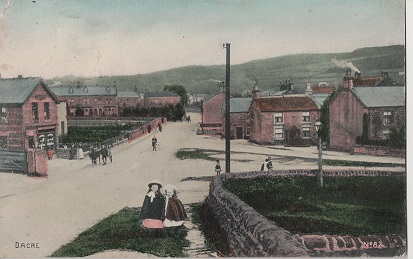
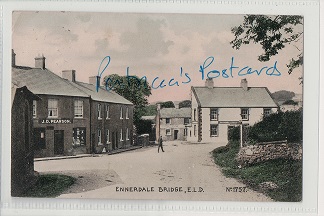
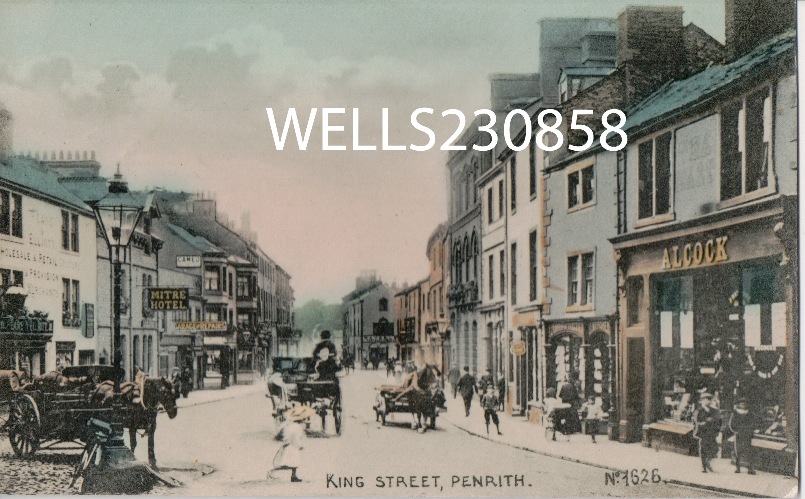
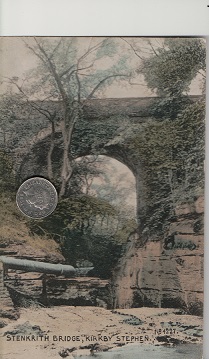
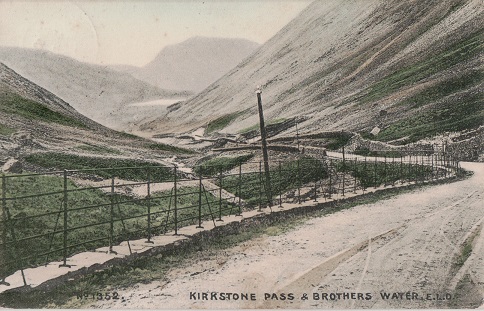
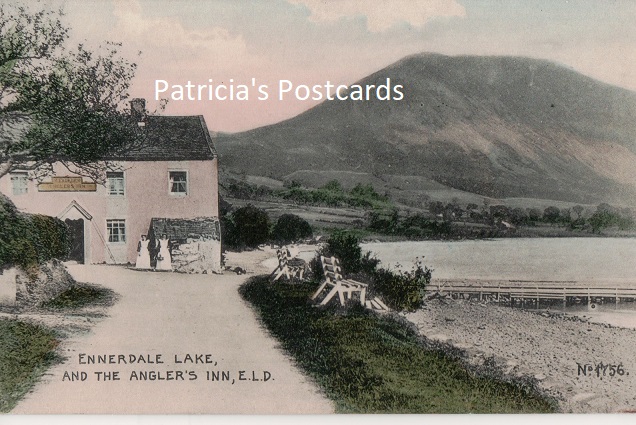
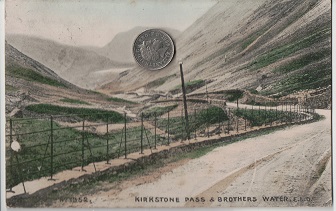
These are some of the most common cards. They appear to have been produced by lithography and then hand tinted. Most were printed in Saxony (noted on the stamp location). Initially produced without numbers (possibly the first 600 cards in the series). Latterly produced with numbers (the highest recorded colour card is no 2095). Some of the views on un-numbered cards have not been seen in the numbered card range. Occasionally the back is printed with an advert.
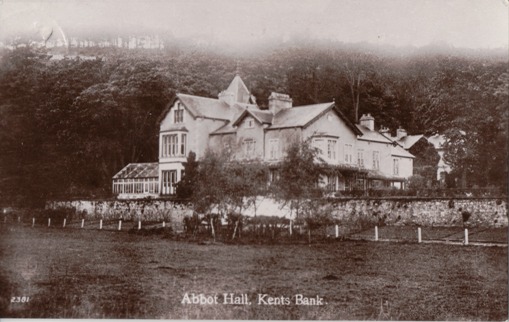
The cards were produced in a number of different styles, standard coloured card, and lighter coloured card, cards with glazed finish and card in sepia.
A later type card was the aquagravure type of which only one example has been seen
3) Photographic cards
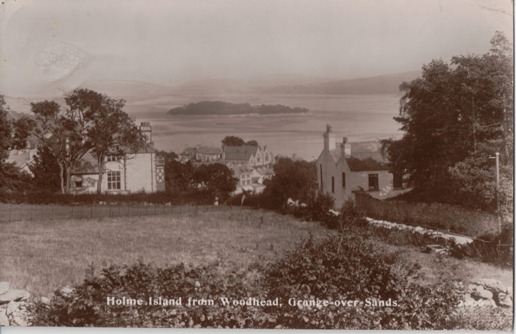
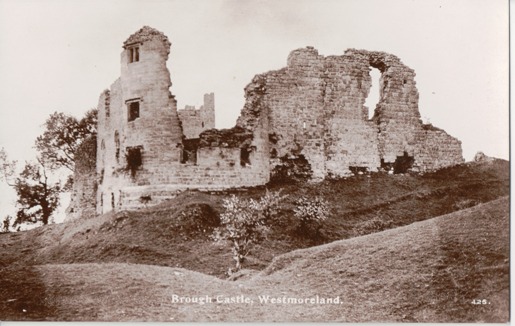
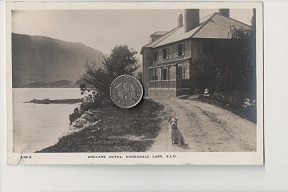
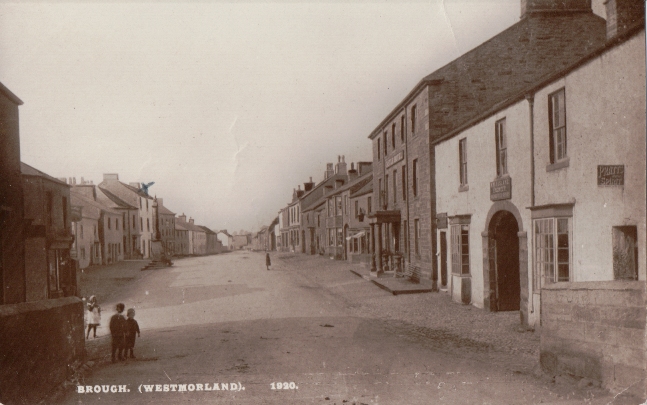
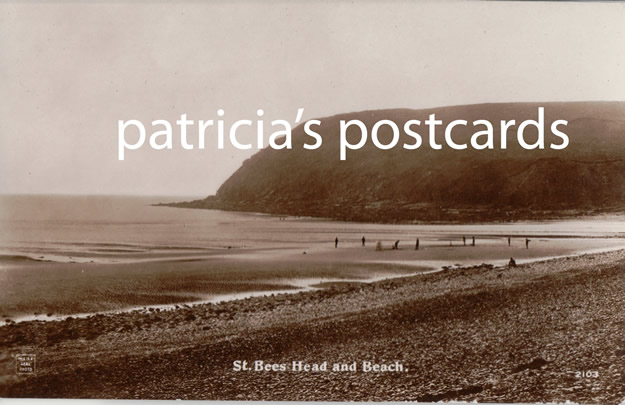
These seem to have been produced after the First World War stopped import of coloured cards from Saxony. New cards seem to have been published into the 1930’s and the highest numbered card is 2710.
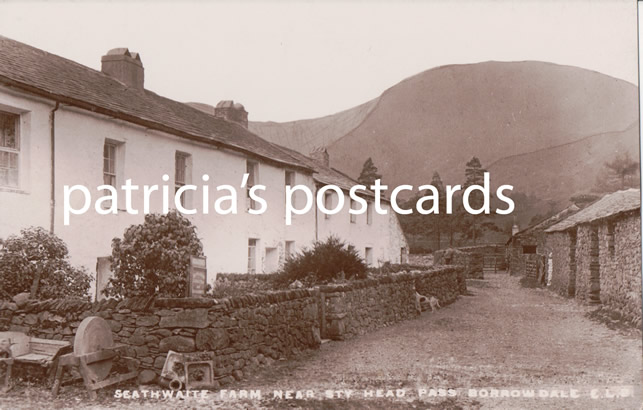
Many were produced with no border, some with a white border, sometimes with titles in the border. Some are also seen in sepia.
There are a number of composite multiviews in this series, some with numbers some without. Often the number of the original cards can be seen on the pictures making up these composite cards.
4) Other cards
A few pullout type novelty cards have been seen; usually the pullout consists of a series of black and white views from the collection (up to 12). However the Bainbridge pullout is a panoramic few and pulls out horizontally.
The Brittain and Wright Imprint is seen on a number of other publishers cards Valentines, Rotary Photo Co and Hoods of Middlesbrough. The reason for this is not known.
A number of Brittain and Wright cards have been seen without the name, usually having the name of a local shop. This was quite a common occurrence among the major publishers.
A special multiview “ A Souvenir of Trimdon 1907” with no Brittain and Wright logo, but the photos have the numbers on, has been seen.
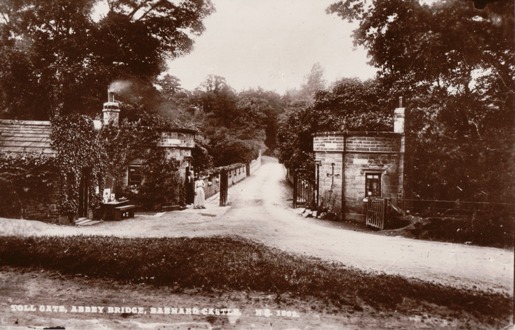
A set of 12 Real Photo Snap shots (about half PC size) in an envelope of Barnard Castle has been seen.
This is not my history, so I won't take credit for it, one of the many collectors/Dealers must have, and if anyone knows who wrote it I will credit the piece, so thank you to who ever, as it gives more interest to the cards
|













.JPG)